Hotel FF&E: what it includes and how a project is managed from start to finish
When a hotel opens its doors, the first thing guests touch is not the façade or the booking system: it's the door handle, the headboard, the breakfast table or the lobby sofa. All of that is part of FF&E, and how it is designed, manufactured and installed shapes much of the experience the hotel promises.
At Robles Project Factory we have been manufacturing furniture for the contract and hospitality sectors for more than 50 years from our factory in Vila-real (Castellón, Spain). In this guide we explain, from the perspective of those who make it, what FF&E is and what the stages of a well-managed project are.
What is FF&E?
FF&E stands for Furniture, Fixtures & Equipment. In a hotel project, it covers every element that is not part of the building's structure or its services, but that turns a built space into a hotel ready to operate.
Beyond the definition, FF&E is the tool a hotel uses to convey its identity. Colours, materials, the comfort of a seat or the way a wardrobe blends into the room say as much about the brand as its logo. That is why, in such a competitive sector, treating FF&E as a simple shopping list means missing a chance to stand out.
What hotel FF&E includes, space by space
The exact scope is defined in each contract, but these are the usual items:
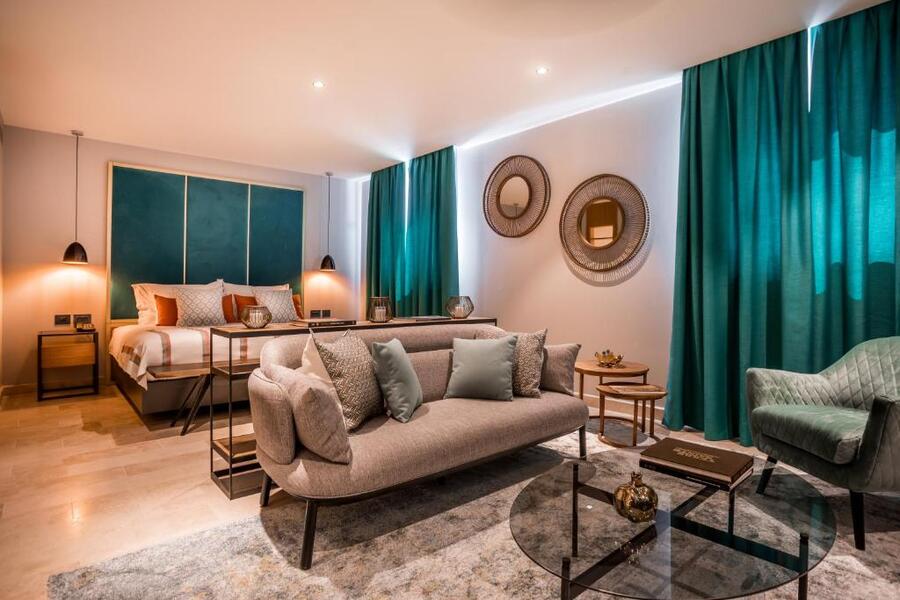
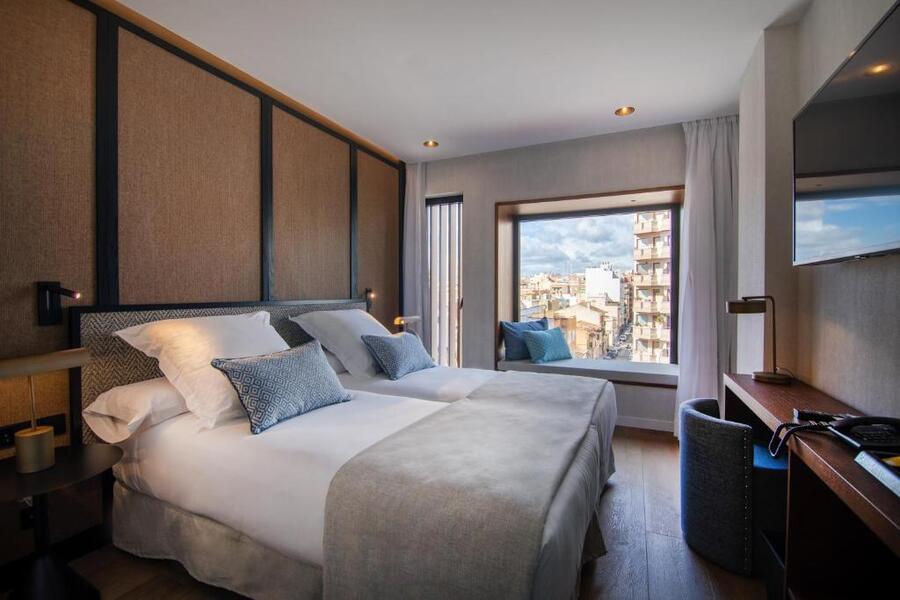
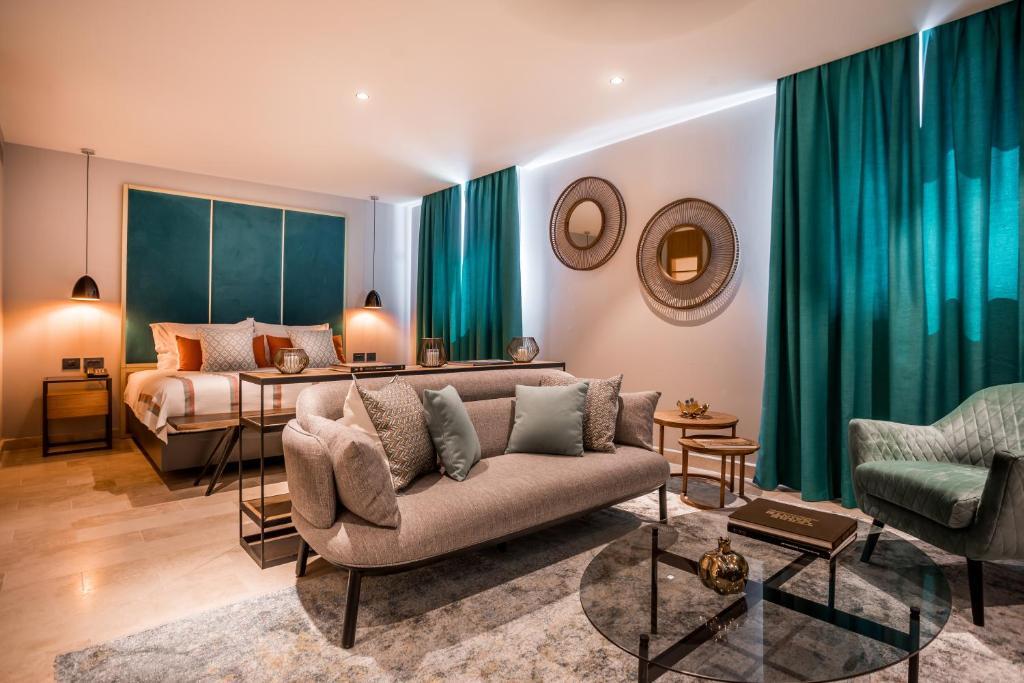
- Guest rooms and suites: beds and bed bases, headboards, bedside tables, desks, wardrobes, luggage racks, armchairs, sofas, mirrors and decorative panels.
- Bathrooms: vanity units, countertops, mirrors with integrated lighting and shelving.
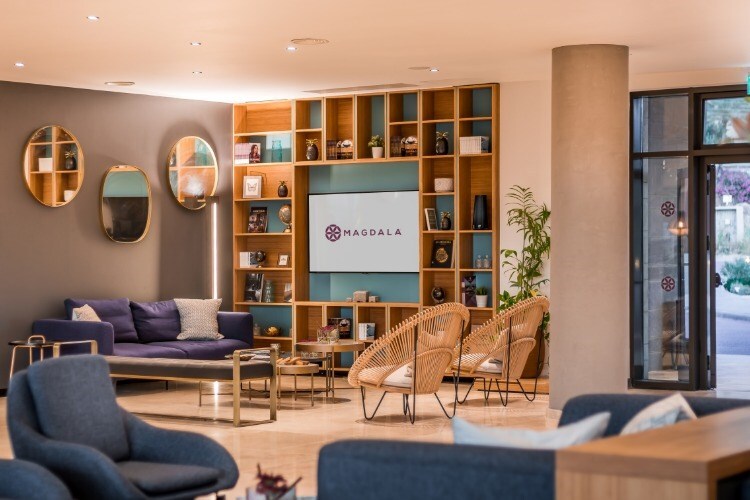
- Reception and lobby: reception desk, waiting areas, lounge furniture, wall cladding and bespoke decorative elements.
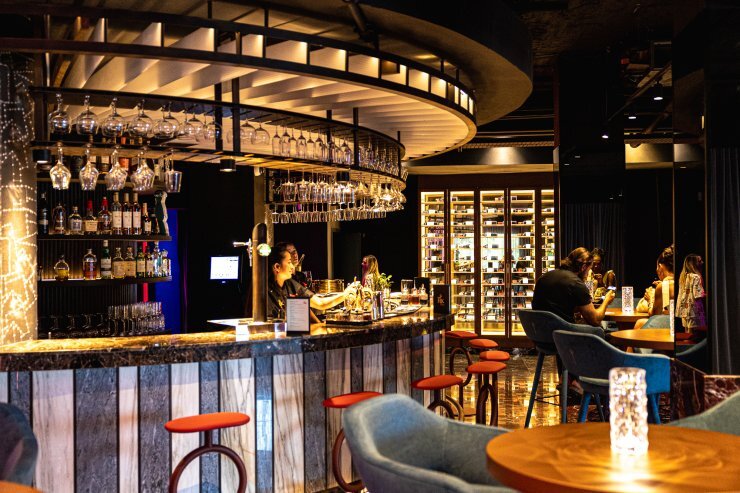
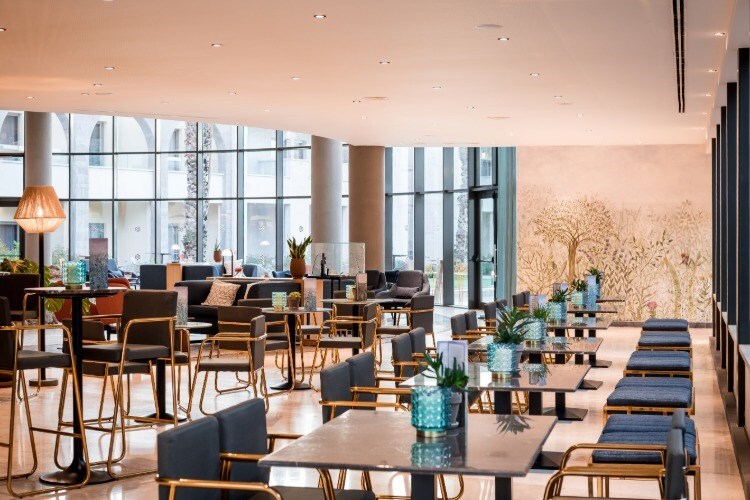
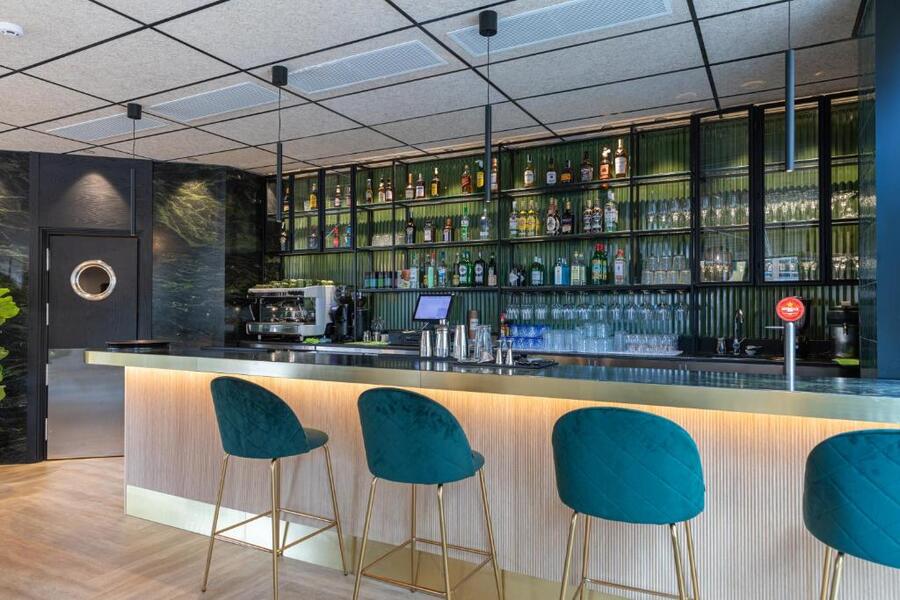
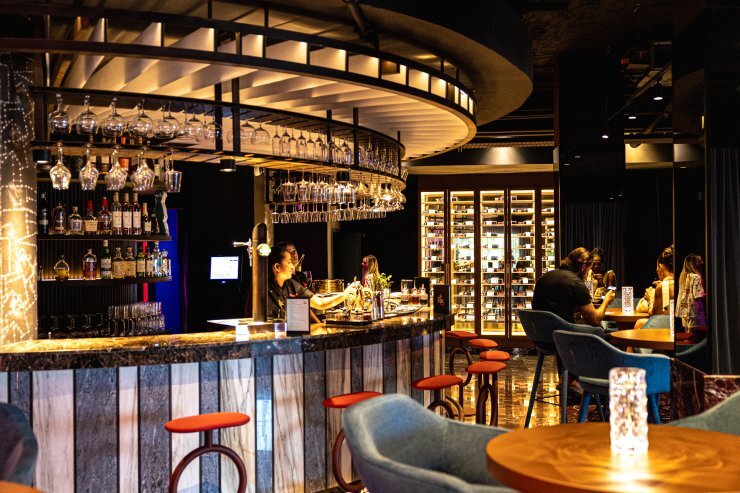
- Restaurants, bars and cafés: bars, back bars, tables, chairs, banquettes and buffet furniture.
- Common areas and meeting rooms: multi-purpose furniture, partitions and storage.
- Spa and wellness areas: moisture-resistant furniture, loungers and changing rooms.
- Outdoor areas and terraces: furniture with frames and textiles built to withstand the weather and UV radiation.
- Decorative lighting and equipment: lamps, wall lights and part of the technical equipment, depending on how the project allocates them.
The stages of an FF&E project
A good FF&E project doesn't start at the factory or end on the truck. This is how we organise it:
1. Briefing and understanding the concept
We start from the interior design project, the hotel brand standards and the needs of the operation. This is when the budget, the number of units per room type and the opening date are set; the opening date becomes the reference for everything else.
2. Technical development
The design is translated into shop drawings: dimensions, hardware, joints, materials and finishes. This is the moment to anticipate the heavy use each piece will receive and to propose alternatives that keep the look without driving up the cost.
3. Material selection and prototypes
At our showroom in Onda, Robles Project Concept, clients can select materials, define details and review prototypes before series production. Seeing and touching a real piece avoids surprises that never show up on a drawing.
4. Manufacturing
We manufacture at our facilities in Vila-real. Keeping production in-house lets us control quality and lead times, and solve special pieces without relying on third parties.
5. Logistics and installation
We plan shipments by floor or area, in coordination with the main contractor and the other trades, and we install with our own team. The goal is to hand over a hotel ready to operate: a turnkey project.
Five keys to keeping FF&E on track
- A single point of contact. When technical design, manufacturing and installation are handled by the same team, problems are spotted earlier and nobody passes the buck.
- Budget by room type. Costing per room type and per common area makes it easier to decide quickly when adjustments are needed.
- Durability over trends. A hotel puts furniture through far more use than a home does. High-performance technical upholstery, soft-close hardware or anti-vibration systems in beds make the difference five years on.
- Regulations and safety. Fabrics, fillings and materials must meet the fire-reaction and safety requirements of each project and each country.
- Plan for maintenance. Pieces that are easy to clean, repair or replace extend the life of the whole set and lower the cost of the next refurbishment.
FF&E projects by Robles Project Factory
Some examples of how all this comes to life:
- JS Palma Plaza boutique hotel (Palma): manufacture and installation of exclusive furniture for the rooms, restaurant-lounge and common areas of this urban 4-star hotel, with a modern, minimalist language.
- Belle Marivent Boutique Hotel (Palma): furniture for rooms, reception and restaurant, with details such as wardrobes with integrated mirrors and headboards with inset fabric.
- Hotel Condal (Barcelona): refurbishment of rooms and common areas with bespoke furniture and premium materials.
FF&E frequently asked questions
What does FF&E stand for? Furniture, Fixtures & Equipment: the furniture, fixed elements and equipment of a space, in this case a hotel.
When should FF&E work start? As early as possible, ideally alongside the interior design project. That leaves room for prototypes and manufacturing without putting the opening date at risk.
Can FF&E be renewed while the hotel stays open? Yes. It is common to do it floor by floor or area by area so the hotel can keep operating.
Have a hotel project in hand?
Whether you're opening a hotel or refurbishing rooms or common areas, Robles Project Factory is with you from the first idea to installation. Get in touch and tell us about your project.